The Hidden Cost of Convenience: Why Preservatives in Facial Masks Can Be Harmful
When you reach for a face mask, you’re likely thinking about the benefits: hydration, cleansing, nourishment, and others. But there’s an ingredient category in most paste and sheet masks that rarely gets discussed, despite its potential impact on your skin barrier and long-term health—synthetic preservatives. While these chemicals serve an important function in extending shelf life, they may be undermining the very results you’re trying to achieve and compromising your skin’s natural resilience.
Understanding why preservatives exist, what they do to your skin’s microbiome, and how to avoid them can transform your skin’s clarity and health over time.
Why Do Facial Masks Contain Preservatives?
Any skincare product that contains water or moisture needs preservation. Bacteria, mold, and fungi thrive in moist environments, and without antimicrobial agents, these products would spoil within days. This is why nearly every paste-based mask, jar cream, and sheet mask on the market contains preservatives like parabens, phenoxyethanol, or formaldehyde-releasing compounds.
These chemicals are effective at preventing microbial growth, which is essential for safety and shelf stability. However, effectiveness doesn’t mean they’re without consequence, especially when applied repeatedly to sensitive skin on your face.
The Problem with Synthetic Preservatives
The issue isn’t preservation itself; it’s the type of preservatives being used and their potential effects on skin barrier health. Here are some of the most common concerns for those seeking truly clean ingredients:
- Skin Barrier Disruption: Many preservatives can weaken the skin’s natural protective barrier over time. This leads to increased sensitivity, dehydration, and a compromised ability to defend against environmental stressors. Ironically, the very products meant to improve your skin resilience may be making it more vulnerable.
- Hormonal Interference: Certain preservatives, particularly parabens, have been studied for their potential to mimic estrogen in the body. While research is ongoing, there is concern about long-term exposure and its effects on hormonal balance, particularly for those using multiple products daily.
- Inflammatory Responses: Ingredients like formaldehyde releasers and methylisothiazolinone are known skin irritants. For individuals with sensitive skin or reactive complexions, these can trigger redness, itching, or breakouts. These are rather counterproductive outcomes when the goal is healthier skin and proper barrier repair.
- Microbiome Disruption: Your skin hosts a delicate ecosystem of beneficial bacteria called the microbiome, which helps maintain its health and appearance. Antimicrobial preservatives don’t discriminate; they can disrupt this balance, leading to increased sensitivity and a weakened skin barrier over time. This directly contradicts the regenerative beauty approach that’s becoming increasingly important in ingredient-led beauty.
The Powdered Solution: Preservation Without Compromise
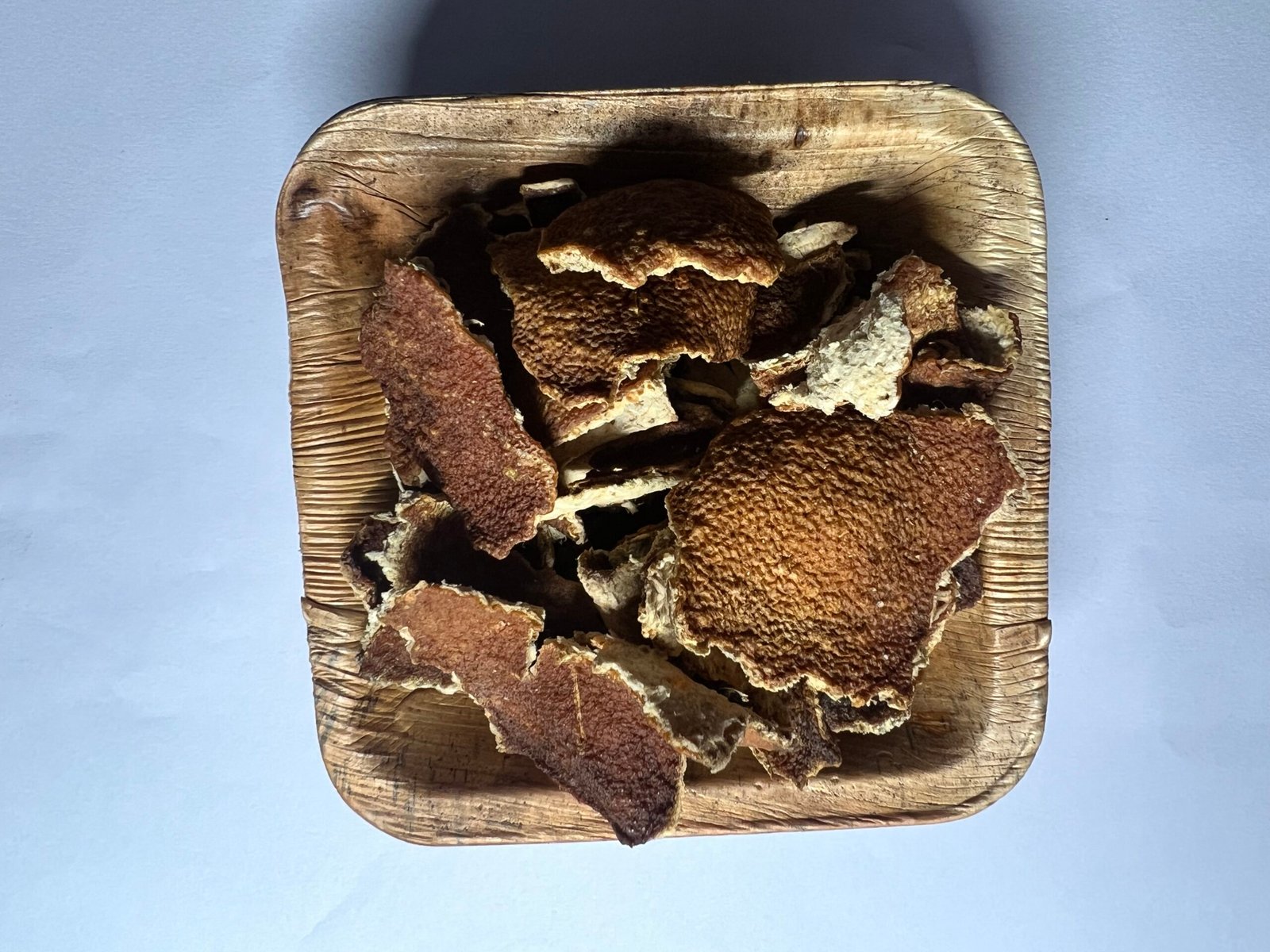
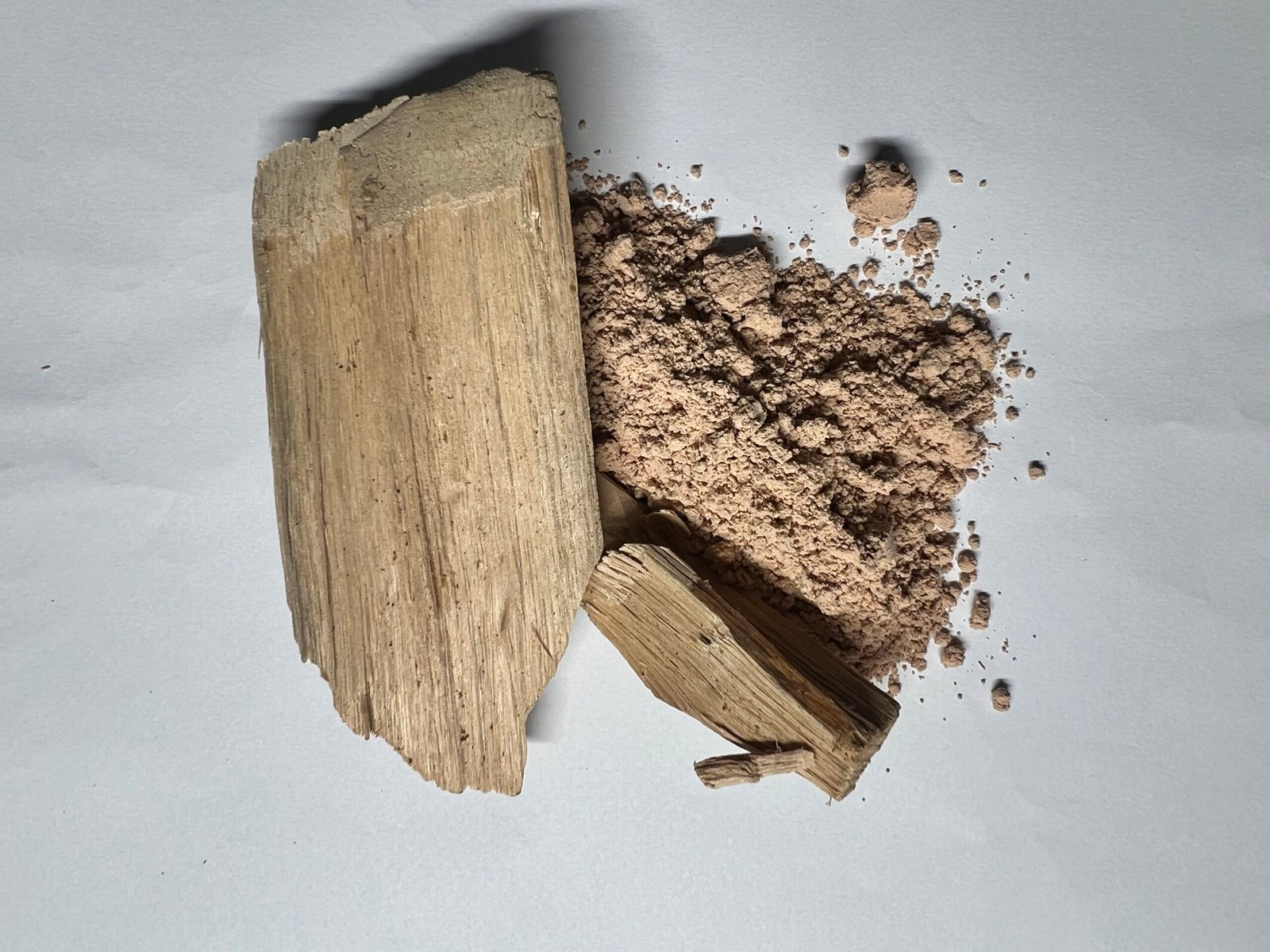
There’s a simple, elegant alternative that sidesteps the preservative problem entirely and embraces skin minimalism: powdered formulations. When skincare ingredients are kept in dry, powder form, there’s no moisture for bacteria or mold to thrive in. This eliminates the need for synthetic preservatives altogether.
By mixing the powder fresh at home with water, you activate the natural ingredients at their peak potency: no preservatives, no shelf degradation, and no compromise to your skin’s natural barrier. The result is a product that delivers pure botanical benefits without the chemical trade-offs, supporting true skin resilience and barrier repair.
What This Means for Your Routine
Switching to preservative-free alternatives doesn’t mean sacrificing results or convenience in a meaningful way. It simply means rethinking what “fresh” skincare looks like in the context of clean ingredients. A few extra seconds spent mixing powder into paste can mean the difference between a product that supports your microbiome and skin barrier health and one that slowly undermines it.
Final Thoughts
Not all skincare is created equal, and the ingredients meant to preserve your products may not be preserving your skin’s natural resilience. By understanding what’s in your facial masks and why, you can make more informed choices that support long-term clarity, a healthy skin barrier, and confidence. Preservative-free skincare isn’t just a trend in the clean beauty movement, it’s a return to intentional care that comprises nothing and honors your skin’s microbiome and natural defenses.
Read More Stories